
The Duckworth Lewis Stern Method, Without The Maths
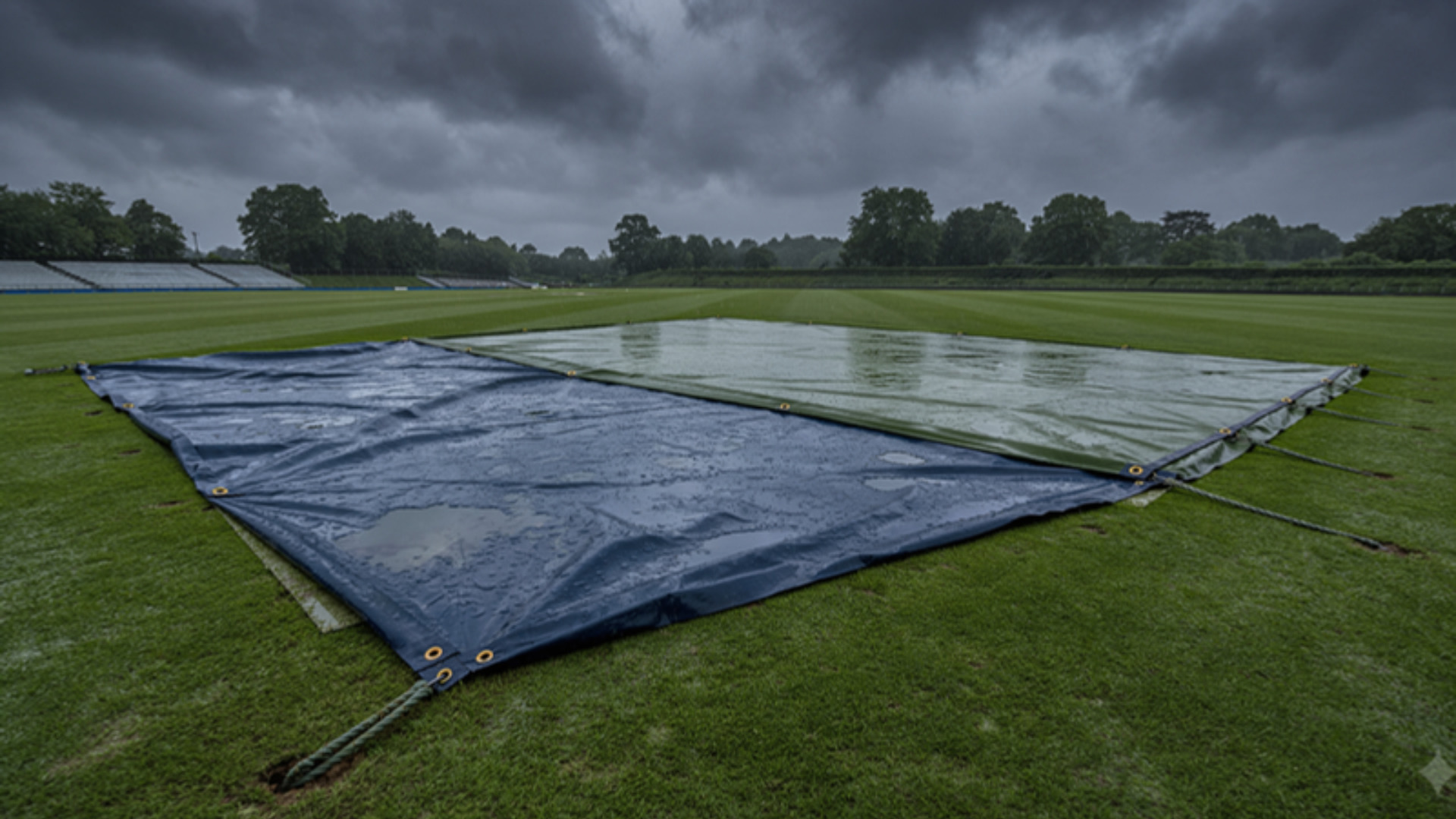
Nobody likes the Duckworth Lewis Stern method until they understand what it is replacing, which is an era of rain rules that produced results so absurd they are still used as examples of how not to design a sport.
The Problem It Solves
When rain shortens a chase, the side batting second has fewer overs than the side batting first had. The naive fix is to scale the target by overs: if they lost a third of their overs, cut the target by a third. That is wrong, and obviously wrong once you think about wickets.
A side chasing 300 in 50 overs with ten wickets is in a different position from a side chasing 200 in 33 overs with three wickets left. The overs ratio is the same. The resources available are not remotely the same.
Resources, Not Overs
The method’s single idea is that a batting side holds a stock of resources, and that stock is a function of two things together: overs remaining and wickets in hand. A table sets out what percentage of its total resources a side has at any combination of the two.
| Overs Left | Wickets In Hand | Roughly What Share Of Resources Remain |
|---|---|---|
| 50 | 10 | 100 per cent |
| 40 | 10 | About 90 per cent |
| 40 | 5 | About 62 per cent |
| 20 | 10 | About 59 per cent |
| 20 | 5 | About 45 per cent |
| 10 | 2 | About 14 per cent |
Read across those rows and the point becomes obvious. Losing ten overs costs a side with all ten wickets about a tenth of its resources. Losing five wickets costs far more than losing ten overs. Any method that ignores wickets is going to get interrupted matches wrong, and the old ones did.
How A Revised Target Is Worked Out
The calculation is three steps and the arithmetic is done by software, but the logic is readable.
| Step | What Happens |
|---|---|
| 1 | Work out the resources the first innings side actually used |
| 2 | Work out the resources the second innings side will have |
| 3 | Scale the first innings score by the ratio of the two, then add one |
That last point surprises people. If the first innings is interrupted and the second is not, the side batting second can face a target higher than the score that was made, because they have a resource the first side did not: they knew the length of their innings from the start and could plan for it.
The target being higher than the score is not a bug. It is the method correcting for the fact that a side batting through an uninterrupted innings has more certainty, and therefore more usable resources, than one that kept stopping.
What The Stern In The Name Is For
The original method was built by Frank Duckworth and Tony Lewis. Steven Stern took it over and revised the model to reflect how scoring rates had changed, particularly the much higher rates late in an innings in the modern game. The underlying resource idea is unchanged; the numbers in the table were refitted to current scoring patterns.
That revision matters because the table is empirical. It describes how sides actually score, not how they should score. When scoring behaviour changes, the table has to be refitted or it starts producing targets that no longer reflect the game being played.
The Common Complaints, Assessed
It Favours The Side Batting Second
It does not systematically favour either side. What it does is remove the advantage that a side batting second used to get from a crude overs based reduction, which is why the complaint is heard most often from chasing sides who no longer get that windfall.
Nobody Understands It
The resource idea takes two minutes. The table takes longer, but a spectator does not need the table any more than they need the physics of swing to watch a ball move. What matters is knowing that wickets count as well as overs.
It Ruins The Spectacle
It replaces a situation where rain decided the match with one where rain changes the arithmetic. That is a smaller intervention, not a larger one.
Where It Does Not Apply
The method has no role in a five day match, where a shortened day simply means fewer overs and no target is revised. That format deals with lost time through the declaration instead, which is covered in the piece on declarations. It also cannot help with conditions that change during a match rather than stopping it, such as those in the article on dew.
Why The Table Has To Keep Changing
The resource table is fitted to how sides actually score, which means it goes stale as the game changes. When scoring rates at the end of an innings rose sharply, the old table started undervaluing the last ten overs, because it had been built when those overs produced fewer runs. A target calculated on a stale table is not wrong by a rounding error; it can be wrong by twenty runs.
That is the real argument for periodic revision, and it is also the reason nobody should expect a final version. A method that describes behaviour has to be refitted whenever the behaviour moves.
What Happens When The Second Innings Never Starts
If the chasing side does not face the minimum number of overs required for a result, there is no calculation to make and the match is a no result. The minimum exists because below a certain number of overs the resource model has too little to work with, and a target produced from it would be a guess wearing a decimal point.
A captain whose side is ahead on the calculation when rain arrives is therefore watching two clocks at once: the one that decides whether a result is possible at all, and the one that decides whether he is in front. It is the limited overs equivalent of the judgement described in the piece on declarations, and the conditions driving it are often those in the article on dew.