Bat Size Limits, And The Laminated Bat Rule Change
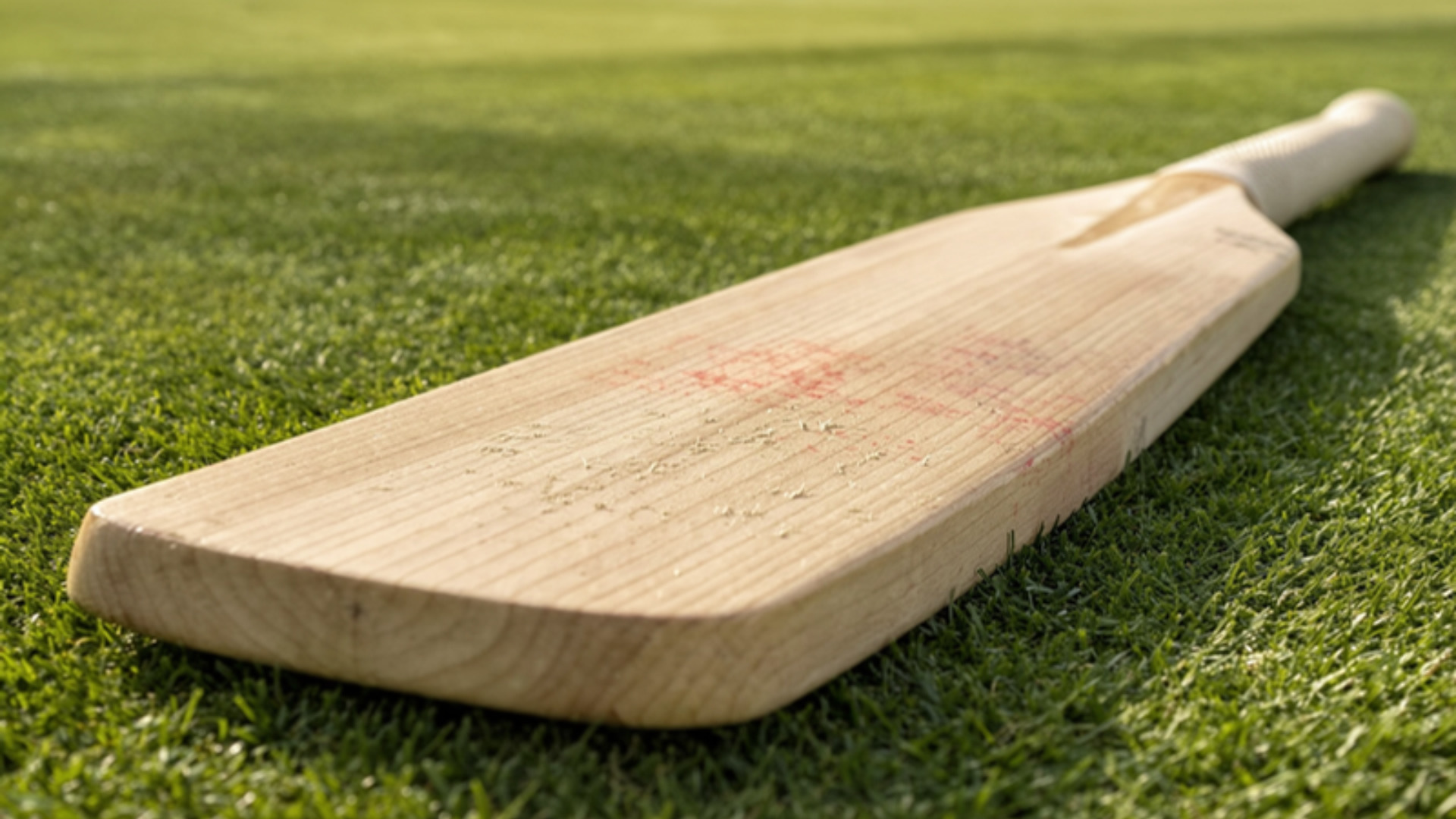
For most of cricket’s history nobody needed a rule about how thick a bat could be, because wood and the need to lift it kept bats within sensible limits on their own. Pressing technology changed that, and in 2017 the Laws caught up.
The Limits As They Stand
Law 5.7 sets the maximum dimensions, and a bat that exceeds any of them is not a legal bat regardless of how it was made.
| Dimension | Limit |
|---|---|
| Overall length | 38 inches, 96.52 cm |
| Blade width | 4.25 inches, 10.8 cm |
| Blade depth | 2.64 inches, 6.7 cm |
| Edge thickness | 1.56 inches, 4.0 cm |
The width figure is the oldest of them and has not changed since gauges were introduced in the eighteenth century to stop players turning up with bats as wide as the stumps. The depth and edge limits are the new ones, introduced in October 2017 after a study by Imperial College London and consultation between the MCC committee, manufacturers and players.
Why Edges Got Thick In The First Place
A bat is pressed before it is used. Raw willow is soft and fibrous; pressing compacts the face so that it drives the ball rather than absorbing the impact. Lighter pressing leaves more spring in the wood, which lets a maker build a deeper profile with more wood behind the hitting area without adding weight.
The result, through the 2000s and early 2010s, was bats that weighed the same as those of thirty years earlier but carried far more timber where it mattered. A mishit off the toe or the edge that would once have gone to the sweeper started clearing the rope, and that is the specific outcome the limits were written to stop.
The limits do not restrict weight. A bat can be as heavy as a player can swing. What the Laws cap is the geometry, because geometry is what turns a mishit into six.
What Changed In October 2026
The newest change is not about size at all but about construction. Law 5.8, covering categories of bat, was amended as part of a new edition of the Laws taking effect on 1 October 2026. Laminated bats, previously legal only in junior cricket, are now permitted in open age cricket, and may be made from up to three pieces of willow. Each national governing body decides at which levels they may be used.
Manufacturers are also now allowed to use woods other than willow behind the face of the bat. MCC testing with bat makers concluded that any competitive advantage from a laminated bat would be negligible, and the expectation is that elite cricket will go on using traditional one piece designs.
Why The Change Was Made
The driver was cost rather than performance. English willow is expensive and getting more so, and a one piece cleft wastes a great deal of the tree. A laminated bat uses smaller pieces that would otherwise be discarded, which brings the price of a usable bat down for club and junior players who were being priced out.
| One Piece Willow | Laminated | |
|---|---|---|
| Pieces of willow | One cleft | Up to three |
| Allowed in | All cricket | Open age cricket, subject to the national board |
| Cost | Higher | Lower |
| Expected use at elite level | Standard | Unlikely |
| Performance difference | Baseline | Negligible per MCC testing |
What A Buyer Should Actually Look At
Grains
Straight, evenly spaced grains on the face indicate wood that has grown steadily. Six to twelve is the usual range. More grains tends to mean a bat that performs well sooner and lasts less long; fewer means the opposite.
Pickup Rather Than Weight
Two bats of identical weight can feel completely different depending on where the mass sits. A bat that feels light in the hands has its weight low and close to the handle. The number on the sticker is the least useful figure about a bat.
The Gauge
If a bat does not pass the gauge it is not legal, whatever the shop says. The gauge is the only test that matters and it is the one used at the ground.
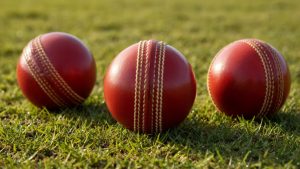
How the bat then interacts with what is bowled at it depends on the ball, and the three Test balls behave very differently, as set out in the piece comparing Dukes, SG and Kookaburra. The other half of the equation is the surface, covered in the article on pitch preparation.
How The Gauge Works
The bat gauge is a simple frame with an opening cut to the maximum legal dimensions. A bat is passed through it, and if it goes through cleanly it is legal. There is no measuring, no tolerance to argue about and no appeal: the bat either fits or it does not.
Umpires carry one and may check any bat at any time, though in practice checks happen before play rather than mid innings. A bat that fails is simply not used, and the batter changes it, which is why the gauge has eliminated the problem far more effectively than a written limit on its own would have.
Why The Balance Argument Never Ends
Every few years someone proposes restricting bats further, and the counter argument is always that spectators come to watch runs. Both positions have a point, and the reason the debate recurs is that the balance between bat and ball is not controlled by the bat alone. The ball, the surface and the size of the ground all move the same dial.
Which is why a change to the ball can undo a change to the bat without anyone noticing. Test batting averages fell broadly after 2020 with no change to bat dimensions at all, a shift discussed in the comparison of the three Test balls, while the ground itself remains the least regulated variable of the three.