The Dead Ball, And What Changed In 2026
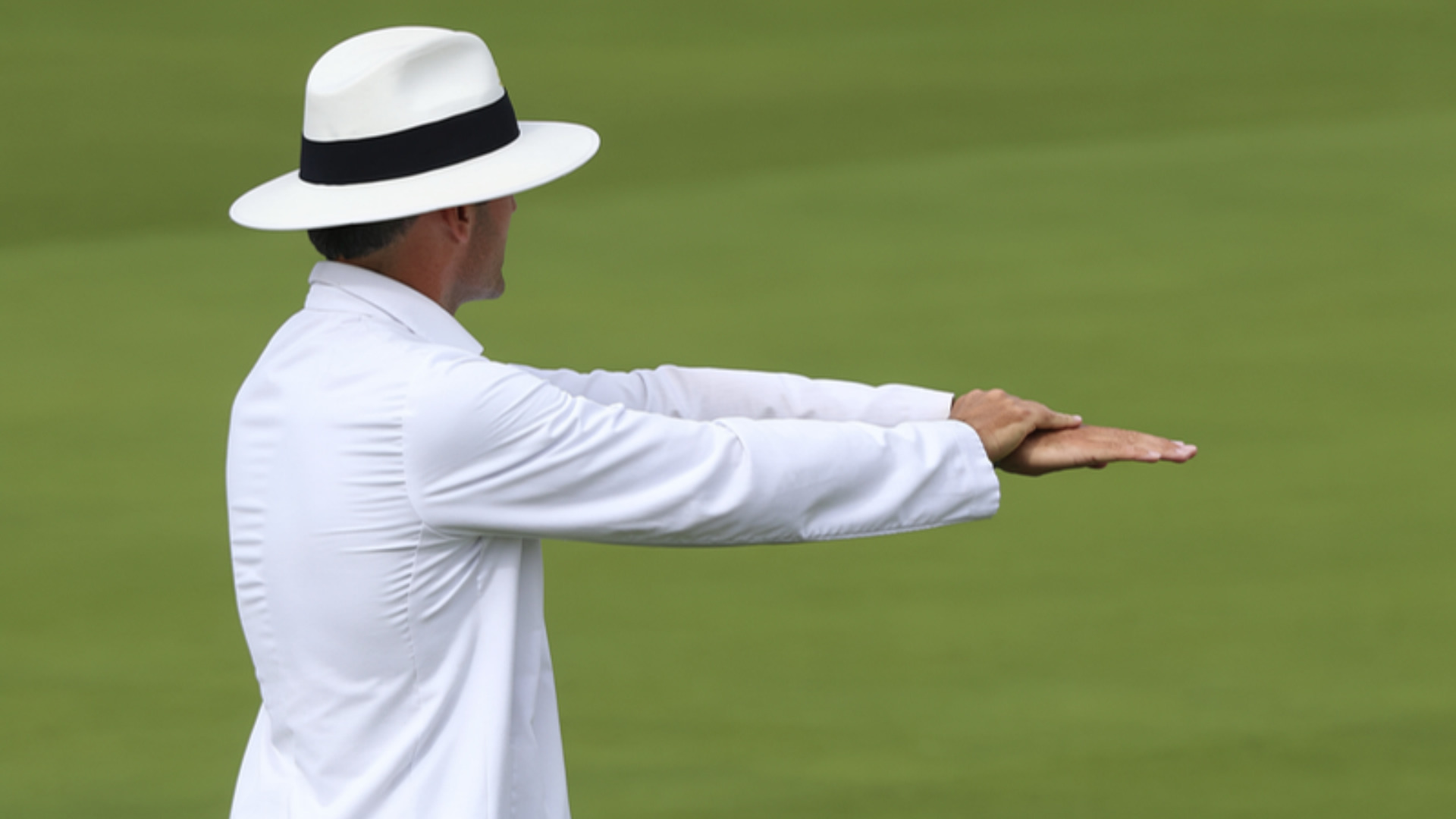
Dead ball is the quietest law in cricket and the one that decides the most arguments. While the ball is dead nothing can happen: no runs, no dismissals, no appeals. Knowing exactly when it goes dead, and when it comes back to life, settles most of the incidents that look like refereeing controversies.
When The Ball Becomes Dead
The ball goes dead automatically in a long list of situations, and the umpire can also call and signal dead ball in others. The automatic ones need no gesture at all, which is why play sometimes stops without the umpire appearing to do anything.
| Trigger | Automatic Or Called |
|---|---|
| The ball finally settles with the fielding side or the batter | Automatic |
| A boundary is scored | Automatic |
| A batter is dismissed | Automatic |
| The ball lodges in a batter’s clothing or equipment | Automatic |
| The ball lodges in a fielder’s helmet | Automatic |
| A serious injury to a player or umpire | Called |
| The striker is not ready and does not attempt to play | Called |
| Unfair interference with either side | Called |
What Changed In October 2026
The most consequential recent change is to the definition of the ball being finally settled. The ball no longer needs to be in the hands of the bowler or the wicket keeper to count as finally settled: it can be held by any fielder, or be stationary on the ground, and the umpire is given more discretion over the moment.
That matters because finally settled is the most common trigger of all, and the old wording produced odd outcomes. A fielder at midwicket could stand holding the ball while a batter wandered out of their ground, and the letter of the Law said the ball was still live because it had not reached the bowler or the keeper. The new wording lets the umpire decide that play has plainly stopped, and stop it.
The change does not create a new dismissal or remove one. It moves the boundary of when a dismissal is still possible, and it moves it in the direction of common sense about when a passage of play has actually ended.
The Other 2026 Changes Around It
The dead ball amendment arrived in a new edition of the Laws alongside a number of others, several of which affect the same moments of play.
| Law | Change |
|---|---|
| 12.5.2 | A wicket no longer ends the final over of a day’s play; the over is bowled in full, conditions permitting. |
| 18.5 | Batters may turn back from a run without penalty, deliberate short running still carries penalties, and the fielding captain now chooses which batter takes strike next. |
| 19.5.2 | A fielder who has been outside the boundary may touch the ball in the air only once, and must then land wholly inside the boundary for the rest of that delivery. |
| 19.8 | An overthrow is now defined as an attempt to direct the ball at the stumps; a misfield is not an overthrow. |
| 27.3.1 | Keepers may have their gloves level with or in front of the stumps during the run-up, and must be wholly behind only after release. |
Two of them are really about control rather than geometry. A catch or a run out now requires the ball to be genuinely held with complete control, which the Laws define as the fielder being able to hold it as long as they liked and dispose of it however they chose; touching the hand is not enough. That wording closes off the long running argument about fingertips and bouncing balls on the boundary rope.
When The Ball Comes Back To Life
The ball is live again from the moment the bowler starts their run up, or their bowling action if they have no run up. Nothing between the previous delivery becoming dead and that moment counts, which is the reason a fielder cannot run a batter out while the field is being reset.
This is also why the non striker backing up is a live ball question rather than a dead ball one, and why the timing of the bowler entering their delivery stride is the hinge the whole argument turns on.
Why It Matters More Than It Looks
Almost every incident that produces an hour of television argument is, underneath, a dead ball question. Was the ball live when the throw came in. Had play stopped when the batter left their crease. Did the umpire call dead ball before or after the bails came off. Get the dead ball sequence straight and the incident usually resolves itself.
The practical reading tip is to watch the umpire rather than the ball. The crossed wrists signal is the only visible evidence of a called dead ball, and its absence tells you the stoppage was automatic or has not happened yet. For how the same discipline applies to reading the surface rather than the officials, see the piece on preparing and reading a pitch.
The Signal, And Why It Is Worth Watching For
The crossed wrists are the only visible evidence that an umpire has intervened. Everything else that makes the ball dead happens silently, which means a spectator who does not see the signal has to work out from the play whether the stoppage was automatic.
The practical habit is to watch the umpire at the moment of any incident rather than the ball. If the arms go out, the umpire has decided something and the rest of the passage is void. If they do not, whatever happened next still counted, however untidy it looked.
Dead Ball And The Non Striker
The most argued about dismissal in the game is really a dead ball question. A non striker can be run out while the ball is live, and the ball becomes live when the bowler begins the run up. The disagreement has never been about whether it is legal; it is about the point at which the bowler is deemed to have had a reasonable opportunity to deliver.
Framing it as a dead ball question rather than a question of sportsmanship clears most of the confusion away. Either the ball was live or it was not, and the Laws answer that without needing anyone to take a view on manners. The same discipline applies to the LBW sequence, which is set out in the piece on how an LBW decision is reached.