
Leg Before Wicket, Decided In Five Steps
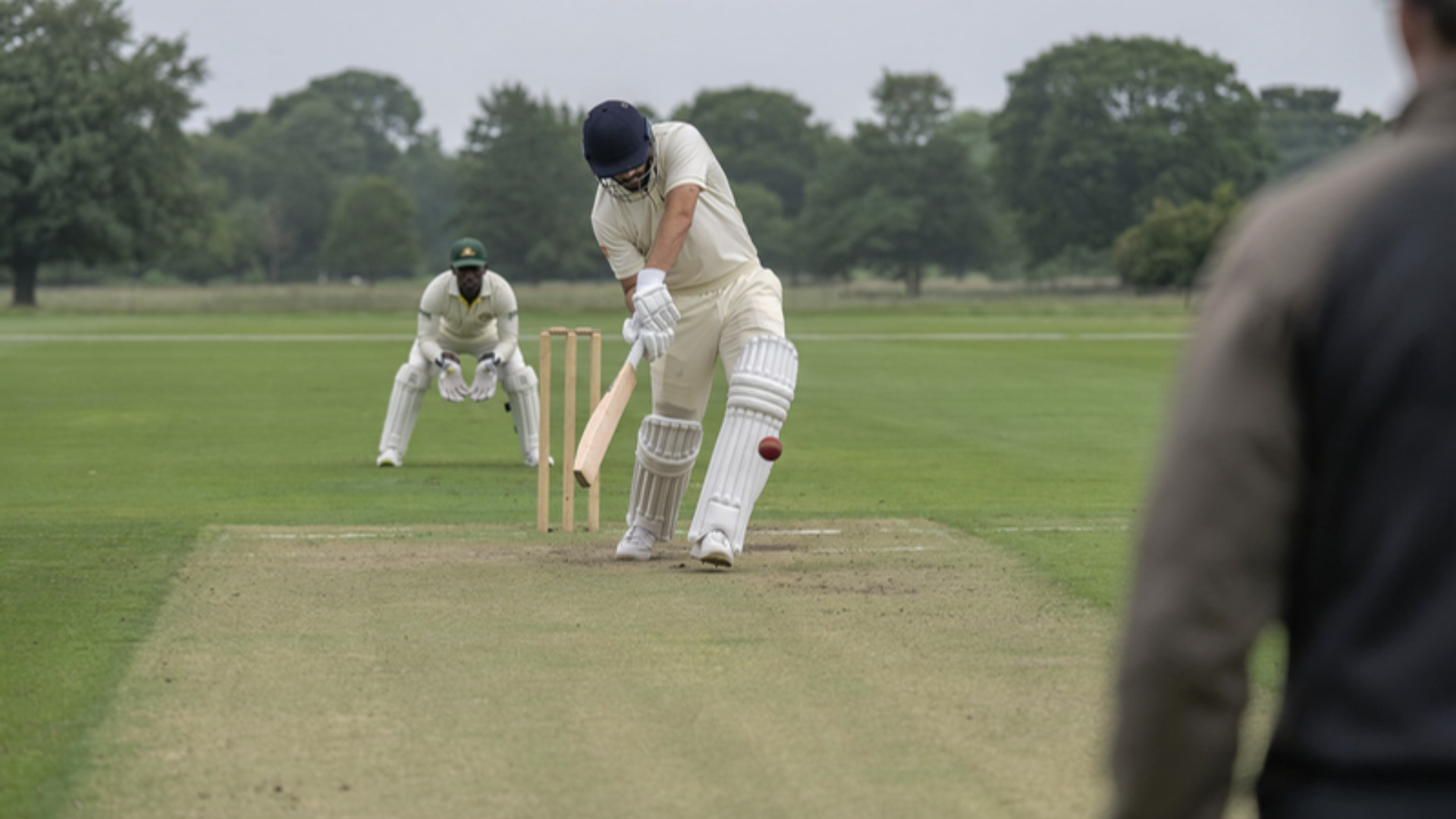
An LBW decision looks like a judgement call. It is closer to a checklist, worked through in the order the Law sets out, and an umpire who reaches a different answer from yours has usually stopped at a step you skipped.
The Five Questions, In Order
Every LBW appeal is decided by asking five things in sequence. If the answer at any step rules the batter not out, the umpire stops there and the later steps never get asked.
| Step | The Question | If The Answer Is Wrong |
|---|---|---|
| 1 | Was it a legal delivery | No ball, so not out whatever follows |
| 2 | Did the ball pitch in line or outside off stump | Pitched outside leg, not out |
| 3 | Did it strike the batter in line with the stumps | Struck outside off, not out unless no shot was offered |
| 4 | Did it hit the bat first | Inside edge onto the pad, not out |
| 5 | Would it have gone on to hit the stumps | Missing, not out |
The step people argue about least is the first and the one they argue about most is the third, because a batter who plays no shot can be given out even when struck outside the line of off stump. That exception exists to stop batters padding away deliveries they have no intention of hitting.
Why Pitching Outside Leg Is An Absolute Bar
A ball that lands outside leg stump has to turn or swing across the batter to reach the wicket, and the batter is being asked to play it with the pads in the way of their own eyes. The Law treats that as unreasonable, so it is a flat exemption with no exceptions, regardless of how plumb the rest of it looks.
This is why left arm orthodox bowlers going around the wicket to a right hander are so hard to get LBW decisions from, and why they come around only when the rough is wide enough to justify losing that route to a wicket.
Offering A Shot, And What That Means
Offering a shot is a genuine attempt to hit the ball with the bat. Thrusting the pad at the line with the bat tucked behind the leg is not, and nor is a token waft well after the ball has passed the bat. Umpires read the bat, not the intention.
The practical consequence is that a batter who is beaten while playing a proper defensive stroke keeps the protection of the outside line, and a batter who kicks the ball away loses it. Over the course of a spell this changes where a bowler aims, which is covered in the piece on how the surface shapes what a bowler can do.
Ball Tracking And Umpire’s Call
Where a review system is in use, the on field decision stands unless the tracking shows a clear error. The margins built into the system exist because prediction gets less certain the further the ball has to travel after impact, so a ball struck a long way in front of the stumps is predicted with less confidence than one struck right on the crease.
Umpire’s call is not the technology refusing to decide. It is the system saying the margin of error is wide enough that the original decision should not be overturned, which is why the same tracking picture can produce out for one side and not out for the other depending on what the umpire said first.
What Changes Between Formats
The Law is identical in every format. What changes is the number of reviews a side holds and therefore how willingly a captain spends one on a marginal shout. In a Test a captain with three reviews will gamble on a half chance early in a session; in a shorter format with two, the same shout usually goes unreviewed.
That economy of reviews is one of the quieter decisions a captain makes, and it is the subject of the piece on declarations and the decisions around them.
Common Misreadings
The Ball Hit The Pad Outside The Line, So It Is Never Out
Only if a shot was offered. No shot, and the outside line gives no protection at all.
It Was Going Over The Stumps, So It Was Always Missing
Height is judged at the point the ball would reach the stumps, not at the point of impact. A ball that strikes a batter high on the pad well down the pitch can still be hitting the top of middle.
The Batter Was A Long Way Forward, So It Cannot Be Out
Distance down the pitch has no standing in the Law. It affects only how confidently the trajectory can be predicted, which is a review system question rather than a question about the Law itself.
What The Fielding Side Is Really Appealing For
Bowlers appeal for LBW far more often than they expect to get one, and the reason is informational rather than optimistic. An appeal forces the umpire to form a view and show it, and over a spell that tells the bowler where his line is being judged from. A bowler who has three appeals turned down for height learns more about his length than any amount of watching the ball land.
Keepers and slip fielders are better placed to judge than the bowler, who is looking from an angle that exaggerates how straight everything looks. The standard instruction in a side with reviews is that the bowler does not get a vote on his own appeal, because he is the one person on the field guaranteed to be wrong about it.
The Dismissal That Reveals The Pitch
A sudden run of LBW dismissals in a match is usually a statement about the surface rather than the bowling. Low bounce brings the stumps into play for deliveries that would previously have passed over them, so a pitch that is keeping low produces LBWs the way a bouncy one produces catches behind.
That is why the LBW column in a scorecard is worth reading alongside the conditions. Four of them in an innings on day four is the surface talking, and what it is saying is set out in the piece on reading a pitch.